
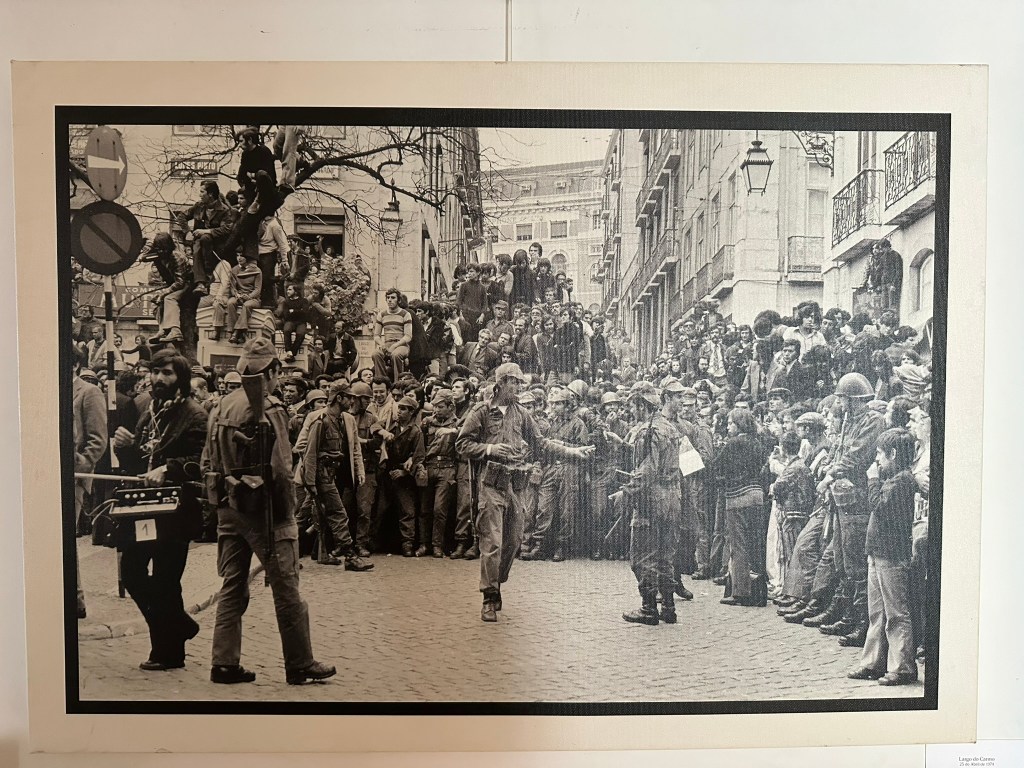
On April 25, 2024, Portugal celebrated freedom and the 50th anniversary of the Carnation Revolution which overthrew the dictatorship under which the Portuguese had lived for almost half of the 20th century.
Antonio de Oliveira Salazar (after whom J.K. Rowling named Salazar Slitherin in her Harry Potter series) came to power in 1933. The Portuguese monarchy had relatively recently fled the country in 1910 and Portugal had become a Republic during its October 5 revolution of that year (now known as Republic Day). The Republic led the country for about 15 years, creating a constitution, making government more secular, strengthening worker’s rights and reducing censorship of the press. The Republicans lost power, however, in 1926 when a military coup d’etat took place leading the way for Salazar’s Estado Novo party to come into power.
Salazar was a contemporary of Adolf Hitler, Spain’s Franco and Italy’s Mussolini. He declared three days of mourning when Hitler died. He worked to strengthen Portugal’s state Catholic ties. He was opposed to communism, socialism, liberalism and fought to retain Portugal’s colonies. Elections were manipulated and voting was not a universal right. The PIDE police force was responsible for dealing with any regime opposition, including torture, kidnap and murder. There was no freedom of speech as the PIDE might always be listening: “as paredes têm ouvidos” (the walls have ears) was a popular expression. Under Salazar the economy grew at an average rate of 5.7%, but at the end of the dictatorship, Portugal had Europe’s lowest per capita income and literacy rates.
Salazar’s government remained neutral during World War II, which was good for the economy, but Salazar took an anti-immigration stance on Jewish refugees fearing that they would diminish “national spirit”. Women’s rights were suppressed and the constitution contained an article, implemented in 1933, which stated that all citizens were equal “except for the woman, the differences resulting from her nature and the good of the family”.
Salazar died before the 1974 revolution, and though Marcelo Caetano succeeded him as dictator, he still believed he was in charge until his death.
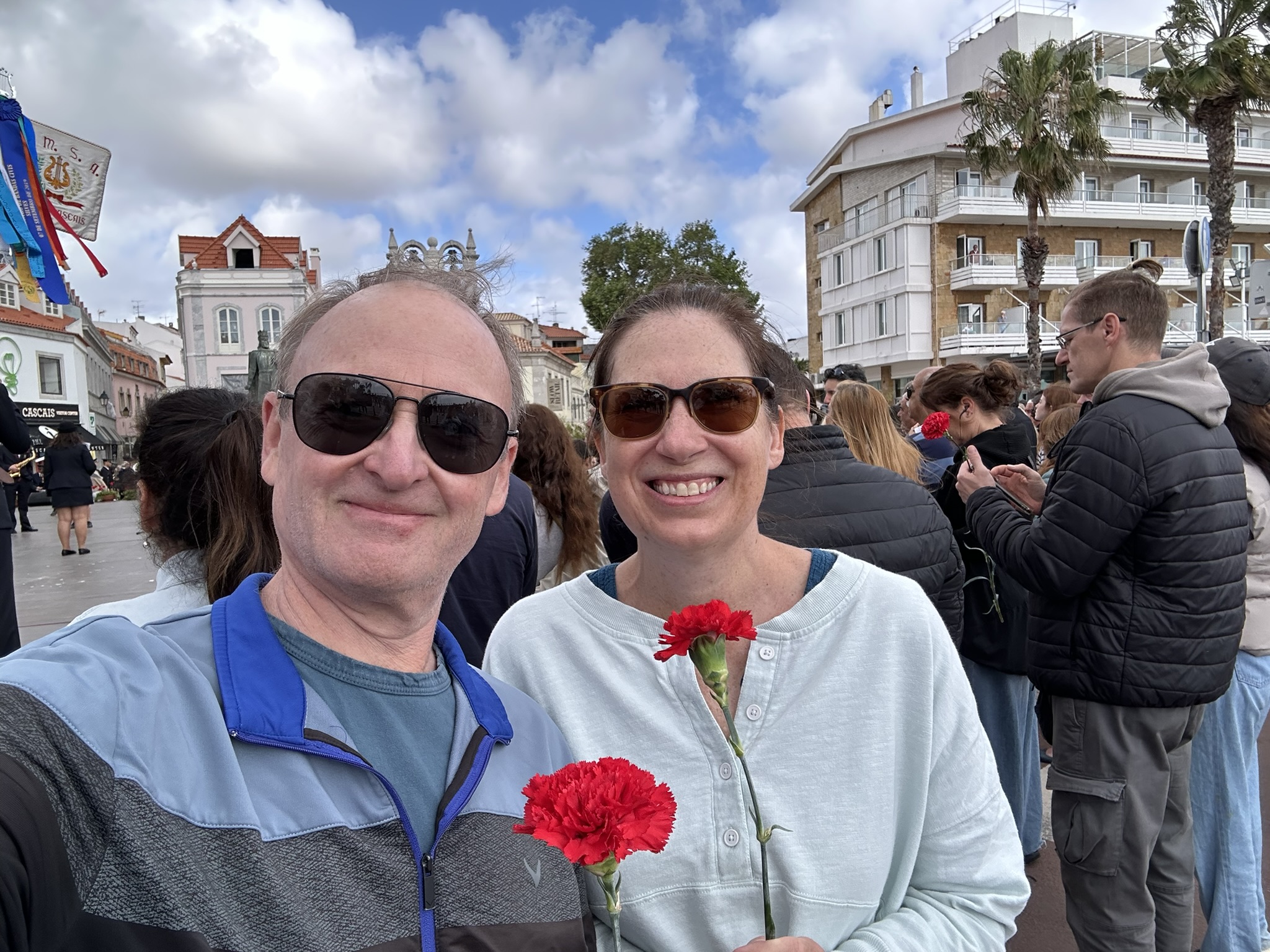
On April 25, 1974 a peaceful military coup overthrew Caetano. Just before midnight on April 24, the playing of the song “E Depois do Adeus” (And After the Farewell) was played on the radio signaling to the army that it was time for the revolution to begin. The military took over the airport, major bridges, the city of Lisbon and the radio. Caetano was forced into exile in Brazil. It is known as the “carnation revolution” as rather than firing bullets, soldiers were given carnations to place in the barrels of their guns.
“Freedom Day”, as it is known, was the beginning of Portugal’s transition back to democracy which still survives today. Portugal still has its challenges. Government corruption just resulted in an election being called, the party in power losing its majority and the resignation of the Prime Minister; young Portuguese leave the country for job opportunities elsewhere too much and Portugal’s GDP in 2023 ranked 19th in Europe and 49th in the world. But, the Portuguese people are proud of their freedoms, of their right to vote and have an incredible national pride. The Portuguese seem to live their lives to enjoy the good times, perhaps it is the shadow of dictatorship still looming in recent memories which helps foster such appreciation.
As authoritarian regimes are seemingly on the rise, a dictatorship is no joking matter.
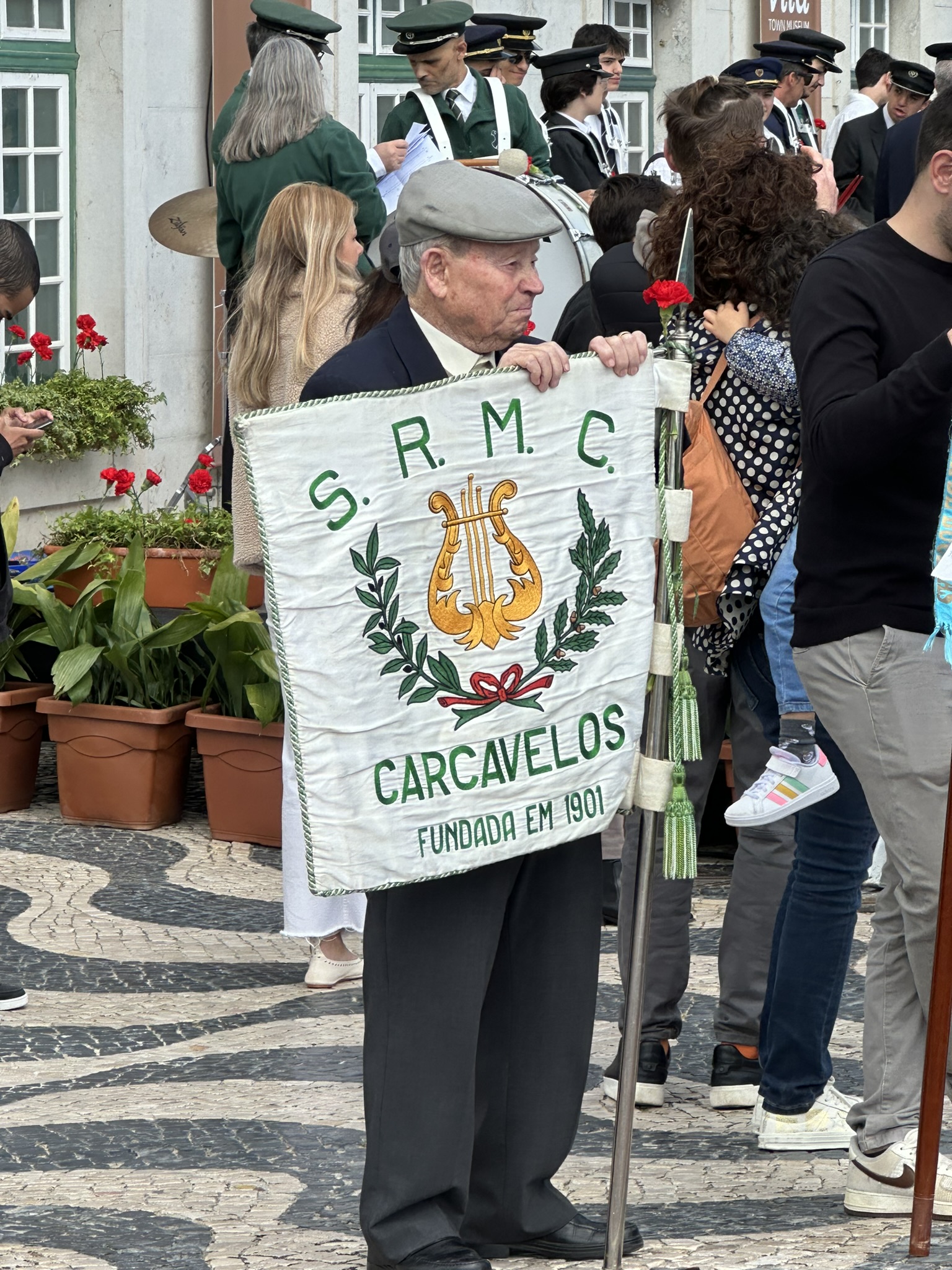
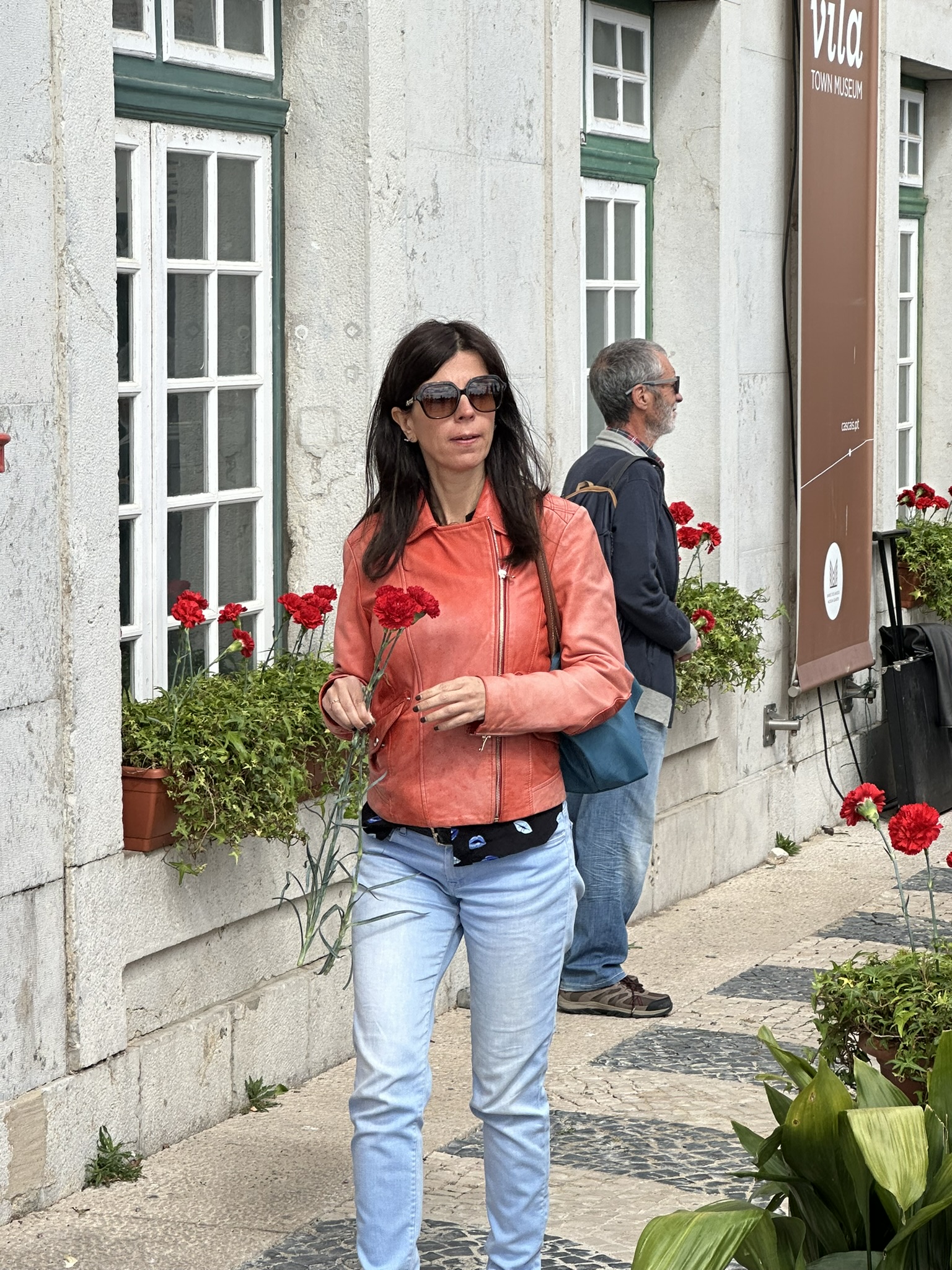
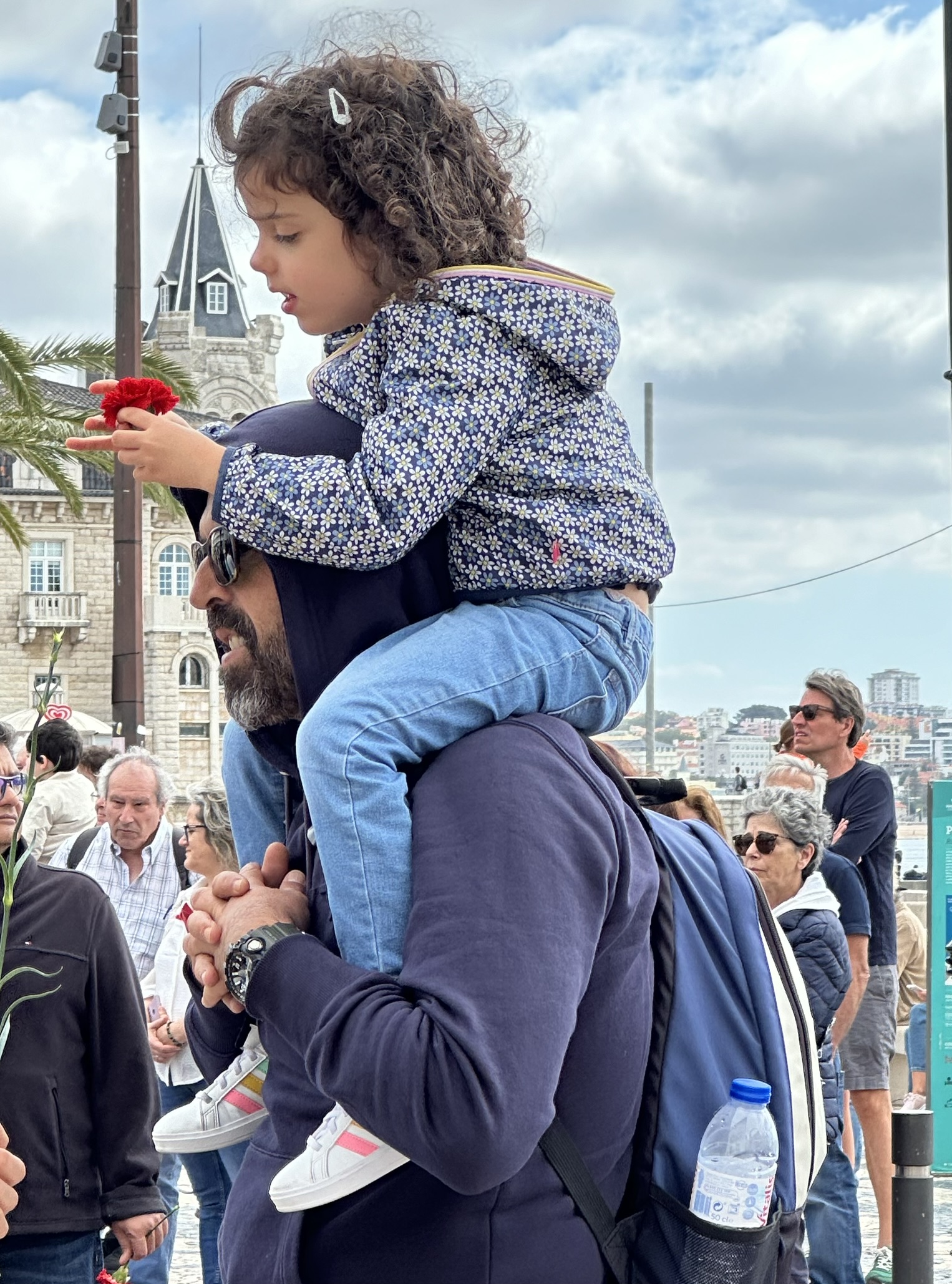
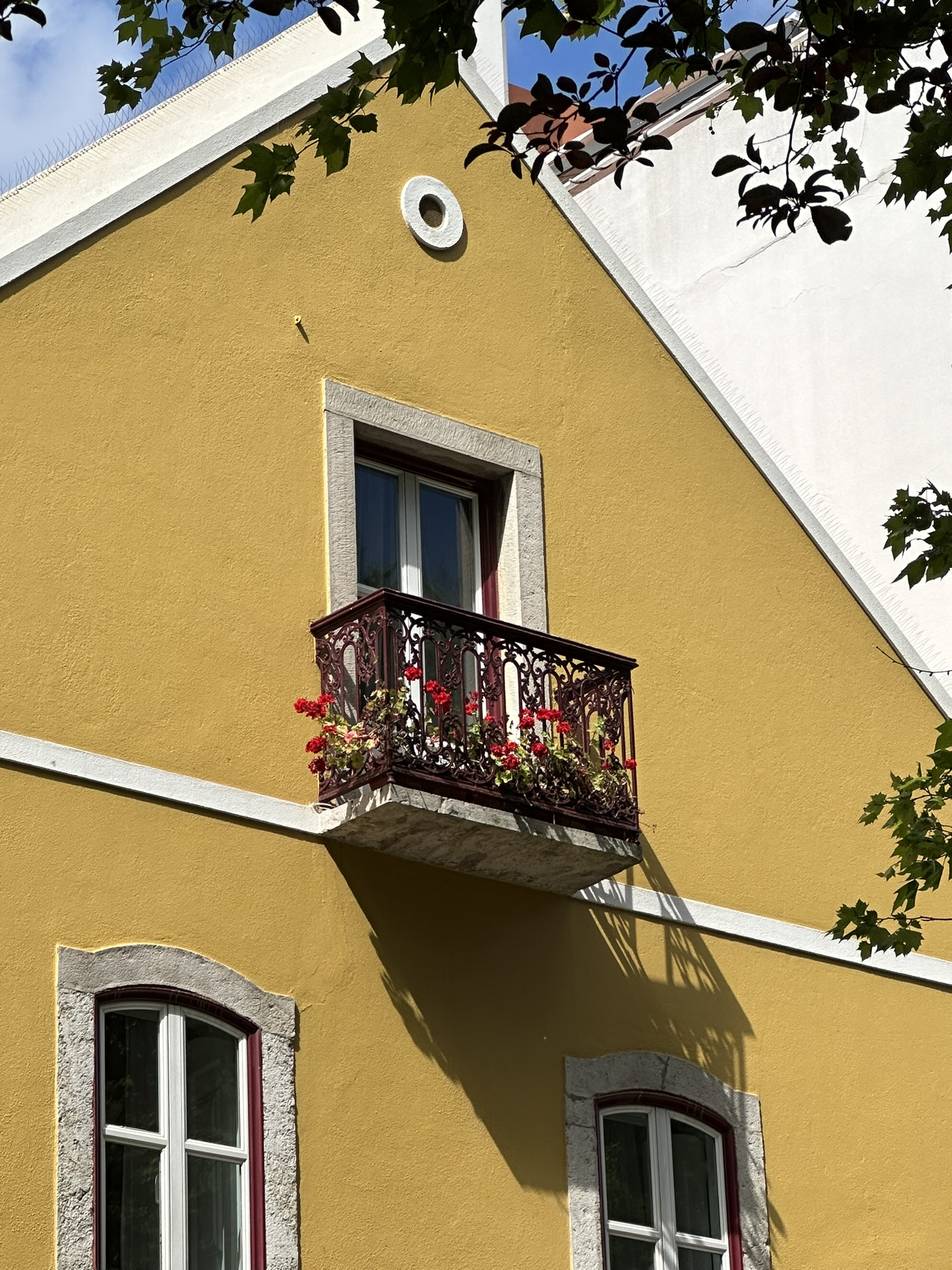
All across Portugal last week, cities and towns celebrated “Freedom Day”. We were fortunate to be able to experience it at home, in Cascais.


Sources:
- https://www.portugal.com/history-and-culture/the-portuguese-revolution-of-1910/
- https://www.portugal.com/history-and-culture/portugals-dictatorship-salazars-estado-novo/
- https://www.historytoday.com/tom-gallagher/salazar-portugals-great-dictator
- https://www.historyextra.com/period/20th-century/carnation-revolution-guide-facts-coup-portugal-estado-novo-regime/
- https://statisticstimes.com/economy/european-countries-by-gdp.php



 The Traveling Ridleys: Sunday Journal
Leave a comment