
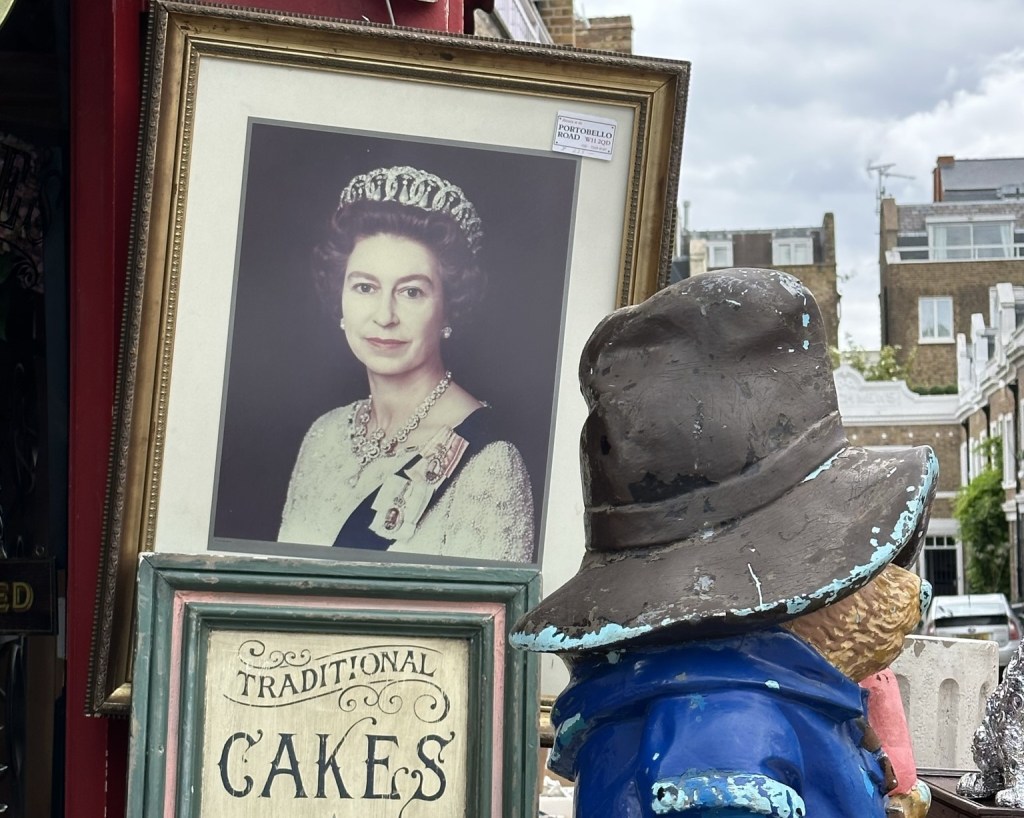
By Melissa
Now that we have been in the UK for a couple of months, we are starting to learn the language and thought it might be helpful to share a few tips with our fellow Americans who may be contemplating a trip across the pond. You may be thinking, “I thought they spoke English in Great Britain.” Well, they refer to the language we speak as “American English” and, indeed, there are differences. I’ll start with a few practical examples:
I think many people are familiar with words like loo, boot, mobile, lift, and tellie – toilet, car trunk, cell phone, elevator and TV, but others I was personally less familiar with are:
- Dram – A wee beverage.
- Wee – Scottish for small and used on the constant. My favorite pub name ever is in the town of Grantown-on-Spey. The tiny bar is fittingly called “The Wee Puffin”.
- Pensioner – Old person.
- Old person’s home – Nursing home.
- Wellies – Rain boots (very necessary).
- Hob & Cooker – Stovetop and oven.
- Mate or bloke – Male buddy.
- Cheerio – Farewell.
- No worries – Very versatile, can mean anything from “you’re welcome” to “I forgive you” to “no big deal”.
- Whilst – During.
- Toasties – Grilled sandwiches.
- Biscuits – Cookies (I’m not sure they would know what you meant if you said cookies).
- Crisps – Potato chips (Chips are stubby French fries usually served with fried fish).
- Mum and Dah – Mom and dad, often preceded by the word “me”.
- Pence, quid, stone – Pence are their cents and quid are pounds (English equivalent of our dollars). I don’t know how much a stone is but think it’s a lot because everyone seems very impressed when someone proclaims they lost a stone whilst dieting.
Here are my favorite words, phrases and sayings:
- Loads – Brits love the word loads, well loads. They use it to describe anything of quantity. “It rained loads yesterday.” “I bought loads of biscuits at the grocery.”
- Rubbish – Anything dissatisfying, interestingly, less frequently combined with “loads of” than in the U.S. If it’s rubbish, it is implied that it is a significant amount. “That show on the tellie was rubbish.” “My mate made chips in the cooker and they were rubbish.”
- Kitted up – Wearing all the gear. This phrase is very versatile and can be used to describe anything from someone going camping to golfing and implies extreme preparedness for the outing.
- Gutted – This is one of my favorites and is used even when expressing the slightest disappointment. It would not be too dramatic to say “I was gutted when the pub ran dry of my favorite pint” or, “I was gutted they didn’t have the shirt in my size.” Note: Adding the word absolutely does not need to imply increased severity. “I was absolutely gutted when Liam did not receive the title of “Star Baker.” If that sentence confuses you, no worries, I will explain later.
- Sorted – David and I both love this one. I wish I could take it home with me, but I’m not sure it would really translate. It is a super useful term for letting someone else know that things will all work out. It can be used when encountering any difficulty, from a host at a restaurant getting you a table even though you don’t have a reservation, “I’ll get you sorted” to something bigger like the rift between Harry and Wills, “It’ll get sorted, no worries.
- Daft/Wanker/Mental – These words are used interchangeably to describe an idiot. If you’re daft, you’re stupid but maybe likeable. If you’re a wanker, you’re an unlikable moron. Mental can be used in situations less permanent by adding the word “gone” in front. For example, “Did you see what Poppy’s wearing? I think she’s gone mental.
- Bits and Bobs – It means something to the effect of bits and pieces but is much more fun to say. This term can even be separated. You could say, “Oliver devoured the cake down to the bits and bobs” or just use one term or the other, “I’m on a diet to trim down my wobbly bits.”
- Dodgy – I love this word for its versatility. It can describe absolutely anything or anyone that is the slightest bit shady or iffy. It is both appropriate to say “I find Nigel to be a wee bit dodgy” and “The bangers and mash at that pub are dodgy.” I’m still not total clear what bangers and mash are. I think it’s just some combination of sausage and potatoes, sometimes with peas and the veg is mashed up.
This brings me to another useful tool when speaking the Queen’s English, don’t be scared to abbreviate words or just leave them out entirely. I love this one. In our entire time here, I don’t think I’ve heard a single person say the word vegetable, it’s just veg. University is usually just Uni and no need for a preceding pronoun. It’s just “I go to uni” or “She went to hospital.” Other examples of this brilliant wordplay are, “Have you a ruck sack? I need to kit up for camping” and “I didn’t want to go camping but he talked me round” and “I wanted to have a go at camping so I rang Alice but was absolutely gutted to find out she had to work at hospital this weekend.” Brilliant.
Finally, I would be remiss if I did not provide an introductory mention of British tellie (TV). Most of the heavily advertised shows still perplex me but the best I can figure, “Hollyhocks” is some type of soap opera, “Celebs go Dating” is local celebrities, none I’ve heard of, going on disastrous blind dates and I am still shocked that “Naked Attraction,” a truly bizarre gameshow that must be seen to be believed, is actually a thing. That said, the one thing the Brits and I totally agree on is that the “The Great British Baking Show” is enthralling, must-see tellie. Season 14 is set to kick off in a few days and it is headline news here. We’re all dizzy with anticipation. If you’re participating in a GBB fantasy league this year, you may find this article useful: www.theguardian.com/tv-and-radio/2023/sep/19/the-2023-great-british-bake-off-contestants-ranked I will absolutely be watching this year’s crop vie for “star baker” by whipping up delicious bakes and will be absolutely gutted for them when their bakes are judged as rubbish by Paul Hollywood and Prue Leith. The show is a national treasure.
I hope you found this brief tutorial a wee bit helpful. If you do make it this way, can you please explain to me what tatties are? They appear to be some type of food item and seem to be everywhere. I’m scared what will come up if I google it.
Cheerio!







 The Traveling Ridleys: Sunday Journal
Leave a comment